Reviewing the Science Teacher Cute Sublimation SVG for Embroidery
As a designer who spends half my life digitizing and the other half stitching, I approach every new digital embroidery file with a mix of curiosity and skepticism. We have all been there: you download a graphic that looks adorable on the screen, only to realize it turns into a tangled mess of thread once it hits the fabric. Today, I am taking a close look at the Science Teacher Cute Sublimation SVG. While this asset is marketed primarily for cutting machines like Cricut or Silhouette, its potential as a foundation for embroidery projects is worth exploring for any serious craft business owner or hobbyist.
First Impressions: Mood and Visual Personality
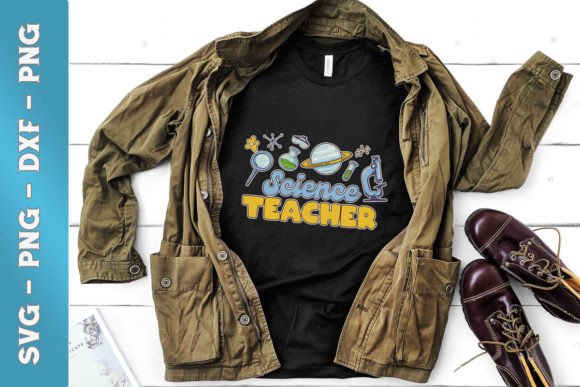
The first thing that strikes me about the Science Teacher Cute Sublimation SVG is its approachable charm. It does not try to be overly technical or rigid. Instead, it leans into a playful, whimsical aesthetic that perfectly captures the spirit of modern education. The lines are clean, and the thematic elements—likely involving beakers, atoms, or glasses—are simplified enough to read well from a distance. For an embroidery designer, this simplification is crucial. Complex gradients and tiny details often get lost in translation when moving from a vector graphic to a machine embroidery design.
The mood here is celebratory and professional yet fun. It feels right for a teacher who wants to show pride in their profession without wearing something stiff or corporate. This visual personality makes it a strong candidate for personalized gifts and boutique branding. It is not just a graphic; it is a statement piece that says, "I love science, and I have a sense of humor."
Real-World Application: The Custom Tote Bag Test
To truly evaluate this design, I imagined a real-life scenario: creating a custom end-of-year gift for a high school chemistry teacher. I pictured a sturdy canvas tote bag, the kind that gets used daily for carrying graded papers and lab supplies. Using the Science Teacher Cute Sublimation SVG as a reference, I considered how this would translate into an embroidered patch or direct-to-garment stitching.
In this context, the design shines. The bold outlines typical of sublimation SVGs can be effectively converted into running stitches or satin stitches to define the shapes. For a tote bag design, durability is key. A filled-in approach using fill stitches for the larger elements, like a microscope or a book, would add texture and weight, making the finished product feel premium. Customers reacting to this item would likely appreciate the tactile quality of embroidery over a simple print. It elevates the perceived value of the handmade product, turning a standard bag into a cherished keepsake.
Versatility Across Apparel and Home Decor
Beyond tote bags, this graphic has legs in various categories within Crafts and Graphics. Consider sweatshirt embroidery. A crewneck sweatshirt with this design stitched on the left chest or centered on the back becomes instant uniform for science department staff meetings or school spirit days. The cute aesthetic softens the academic theme, making it appealing for elementary and middle school educators as well.
For those running an Etsy shop, this design could also work beautifully on baby items. Imagine a onesie with a tiny version of the design for a "future scientist" theme. However, this requires careful scaling. The hoop size must be appropriate for the garment, and the stitch density must be reduced to prevent puckering on delicate cotton knits. Similarly, for home decor, this could adorn a kitchen towel or an apron, adding a personal touch to a teacher's workspace or home kitchen. The key is adapting the scale and density to the fabric texture.
Technical Considerations and Potential Pitfalls
While the design is charming, we must address where it needs careful handling. Since this is originally a sublimation SVG, it lacks inherent stitch data. If you are digitizing this yourself or hiring someone to do so, pay attention to small details. Tiny lettering or intricate corners in the original vector can become problematic in embroidery. If the elements are too small, they may not stitch out cleanly, leading to thread breaks or a muddy appearance.
Dark fabrics present another challenge. If you plan to stitch this on a navy or black sweatshirt, you cannot rely on the fabric color to fill in gaps. You must ensure the design uses sufficient underlay and dense fill stitches to cover the background completely. Conversely, on light fabrics, excessive density can cause stiffness. Always test the design on scrap fabric first. Check thread color contrast to ensure the scientific elements pop against the background. A lack of contrast can make the design look flat and unprofessional.
Curved surfaces, such as caps, require extra caution. The design layout must be adjusted to account for the curvature of the hat. Distortion can occur if the design is too wide or placed incorrectly. For caps, a smaller, simplified version of the Science Teacher Cute Sublimation SVG might work better than the full-scale version intended for shirts.
Enhancing Brand Consistency and Customer Trust
For small shop owners and creative entrepreneurs, consistency is everything. Using a cohesive set of designs helps build brand recognition. If your shop specializes in educator gifts, this design fits seamlessly into a broader collection. It signals to buyers that you understand their niche. High-quality embroidery enhances customer trust. When a buyer receives a product where the stitching is neat, the tension is balanced, and the design is crisp, they are more likely to leave positive reviews and return for future purchases.
Moreover, the giftability factor is high. Teachers receive countless mugs and pens. An embroidered item stands out as thoughtful and durable. It suggests effort and care, which aligns with the values of many handmade shoppers. By offering this as a premium option, you differentiate your products from mass-produced alternatives.
Practical Notes for the Embroidery Designer
Before you commit to producing this design for commercial embroidery projects, keep these practical steps in mind:
- Check Licensing: The product description states this is a digital cutting file for Cricut or Silhouette. It does not explicitly grant rights for commercial embroidery sales. Always confirm licensing terms with the creator before selling finished items or using it in client work.
- Digitize with Care: If converting from SVG to an embroidery file, use proper software to assign stitch types. Use satin stitches for borders and text, and fill stitches for larger shapes. Avoid excessive jump stitches.
- Stabilizer Selection: Choose the right stabilizer for your fabric. Cut-away stabilizer is best for stretchy fabrics like sweatshirts, while tear-away works for woven cottons like tote bags.
- Test Runs: Always stitch a sample. Check for thread breaks, nesting, and registration issues. Adjust tension and density as needed.
- Mockups: Create printable mockups or digital previews to show customers how the design looks on different colors. This helps manage expectations and reduces returns.
In conclusion, the Science Teacher Cute Sublimation SVG offers a delightful starting point for embroidery projects. With thoughtful digitization and attention to technical details, it can become a standout addition to your craft business inventory. Whether for a holiday gift, a classroom accessory, or a boutique product, its charm and versatility make it a worthy candidate for your next creative endeavor. Just remember to respect the technical limits of the medium and verify your usage rights to ensure a smooth, professional process.